How to support your hearing health naturally: the Tinizen guide

Updated September 2026 · reviewed by the Tinizen Research Team. We are an independent information resource, not a medical provider, and this article is educational rather than medical advice.
To support hearing health naturally means using everyday noise habits, circulation-friendly food, activity, sleep and, if you choose, antioxidant botanicals and calming amino acids — to help protect the inner ear and keep everyday listening comfortable. It is about protection over repair, and it works alongside, not instead of, the guidance of your doctor.
The fastest route to the essentials, in one place.
- The goal
- Protect the delicate hair cells of the inner ear and support the circulation and calm that keep everyday listening comfortable.
- Biggest levers
- Noise protection and healthy circulation matter most — lower volume, ear protection, whole foods, activity and good sleep.
- Quick win
- Turn personal-audio volume down to about 60 percent and take listening breaks; your ears feel it the same day.
- Where supplements fit
- Antioxidant botanicals and calming aminos like those in Tinizen can support the routine, but they are not a treatment for any disease.
- Timeframe
- Noise habits help immediately; diet, circulation and botanical support build over several weeks to a few months, and results vary.
If your ears feel tired, muffled or faintly ringing at the end of a long day, you are far from alone. Hearing is shaped by dozens of small factors — blood flow to the inner ear, antioxidant defenses, noise exposure and the quality of the signal that travels toward the brain. This guide walks through the everyday habits that support auditory wellness in plain language, and shows where a botanical formula like Tinizen can play a supporting role.

What does it mean to support hearing health naturally?
Supporting hearing naturally is the practice of using diet, noise habits, circulation and stress management to help your ears do what they already do: turn sound waves into clear signals your brain can read. It is not a cure, and it will not reverse permanent damage. It is a set of small, repeatable choices that protect the delicate machinery of the inner ear and keep everyday listening more comfortable. Two ideas anchor everything below: protection beats repair, and these habits stack — each helps a little, and together they help a lot.
Why does hearing change in the first place?
Inside the cochlea sit thousands of tiny hair cells that convert vibration into nerve signals. Unlike skin cells, they do not regenerate, so protecting them matters. Loud noise, the natural wear of ageing, reduced blood flow and everyday oxidative stress all nudge those cells toward fatigue — and oxidative damage is the mainstream account of exactly how loud sound injures them (Henderson et al., Ear and Hearing, 2006). The result can be a duller signal, more effort to follow conversation, or that familiar background ring known as tinnitus. Most of these influences are things you can nudge in a better direction — which is exactly what the habits below are for.
What are the most effective everyday habits?
1. Protect your ears from loud noise
Noise is the single most controllable risk to hearing. Sustained sound above roughly 85 decibels — heavy traffic, power tools, loud concerts — can tire hair cells over time. Keep personal-audio volume around 60 percent, use over-ear or foam protection around machinery and live music, and give your ears quiet recovery time after a noisy event. The rule of thumb: if you must raise your voice to be heard, it is loud enough to warrant protection.
2. Feed the circulation your inner ear depends on
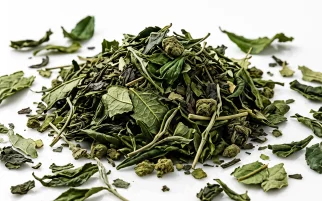
The cochlea is richly supplied with tiny blood vessels, so whatever supports healthy circulation tends to support hearing. Build meals around whole foods, colourful vegetables, oily fish and antioxidant-rich fruits, and go easy on ultra-processed food. Polyphenol-rich foods and botanicals — grapes, green tea, berries — are frequently discussed in this context for their antioxidant activity. The idea that overall dietary pattern matters to the cochlea is a genuine research area rather than marketing: Spankovich and Le Prell’s review of diet and vulnerability to noise-induced cochlear injury (Journal of the Acoustical Society of America, 2019) summarises it, and a population study of older Korean adults found hearing thresholds tracked dietary vitamin intake (Kang et al., American Journal of Clinical Nutrition, 2014).
3. Move your body most days
Regular activity supports the cardiovascular system that keeps blood flowing to the ears — a relationship reviewed across both peripheral and central auditory function in Hull and Kerschen, American Journal of Audiology, 2010. Walking, cycling, swimming and light resistance work all count. Aim for the widely cited target of about 150 minutes of moderate activity a week, split however suits your routine.
4. Protect sleep and manage stress
Poor sleep and chronic stress raise the body’s stress hormones and can make tinnitus feel louder and more intrusive. Seven to nine hours of regular sleep, plus simple decompression — a walk, slow breathing, time outdoors — supports steadier days in ways no supplement can replace. This is one of the better-evidenced levers here: a meta-analysis of randomised trials found that treating insomnia in adults with tinnitus improved sleep and tinnitus distress alike (Curtis et al., Sleep Medicine Reviews, 2021). If ringing is what brought you to this page, our guide to what causes ringing in the ears walks through the triggers in more detail. Calming amino acids such as GABA and L-tryptophan are traditionally associated with this everyday sense of settle.
5. Mind medications, sugar and smoking
Some medications are known to affect hearing; never stop a prescribed medicine, but do ask your doctor if hearing is a concern. Smoking and very high blood sugar are both linked in the research literature to hearing specifically, not just to circulation in general: a large occupational cohort found smoking raised the risk of hearing loss and that quitting brought the risk back down (Hu et al., Nicotine & Tobacco Research, 2019), and audiometric data from a U.S. national survey found hearing impairment about twice as common in adults with diabetes (Bainbridge et al., Annals of Internal Medicine, 2008).
See how Tinizen fits your routine →
Where do nutrients and supplements fit?
Supplements are a supplement to the habits above, not a substitute, and never a treatment for any condition. It is worth knowing how the field has gone: even in the better-funded search for something that prevents noise-induced hearing loss, antioxidant candidates that looked promising in animals have repeatedly failed to reproduce their results in human trials (Le Prell, Antioxidants & Redox Signaling, 2022). Still, a handful of nutrients have long been part of the ear-wellness conversation. Here is a snapshot of the best-known ones, several of which appear in Tinizen.
| Nutrient | Why it is discussed | Traditional / general role |
|---|---|---|
| Grape seed | Polyphenol antioxidant | A rich source of proanthocyanidins, discussed for antioxidant defense and healthy circulation. |
| Green tea | Polyphenol source | Widely studied for general antioxidant and circulatory wellness. |
| Panax ginseng | Adaptogen | A storied tonic used to support healthy circulation and everyday vitality. |
| GABA & L-tryptophan | Calming amino acids | Traditionally associated with everyday calm and the nervous-system signal. |
| Chromium | Essential trace mineral | Contributes to normal macronutrient metabolism. |
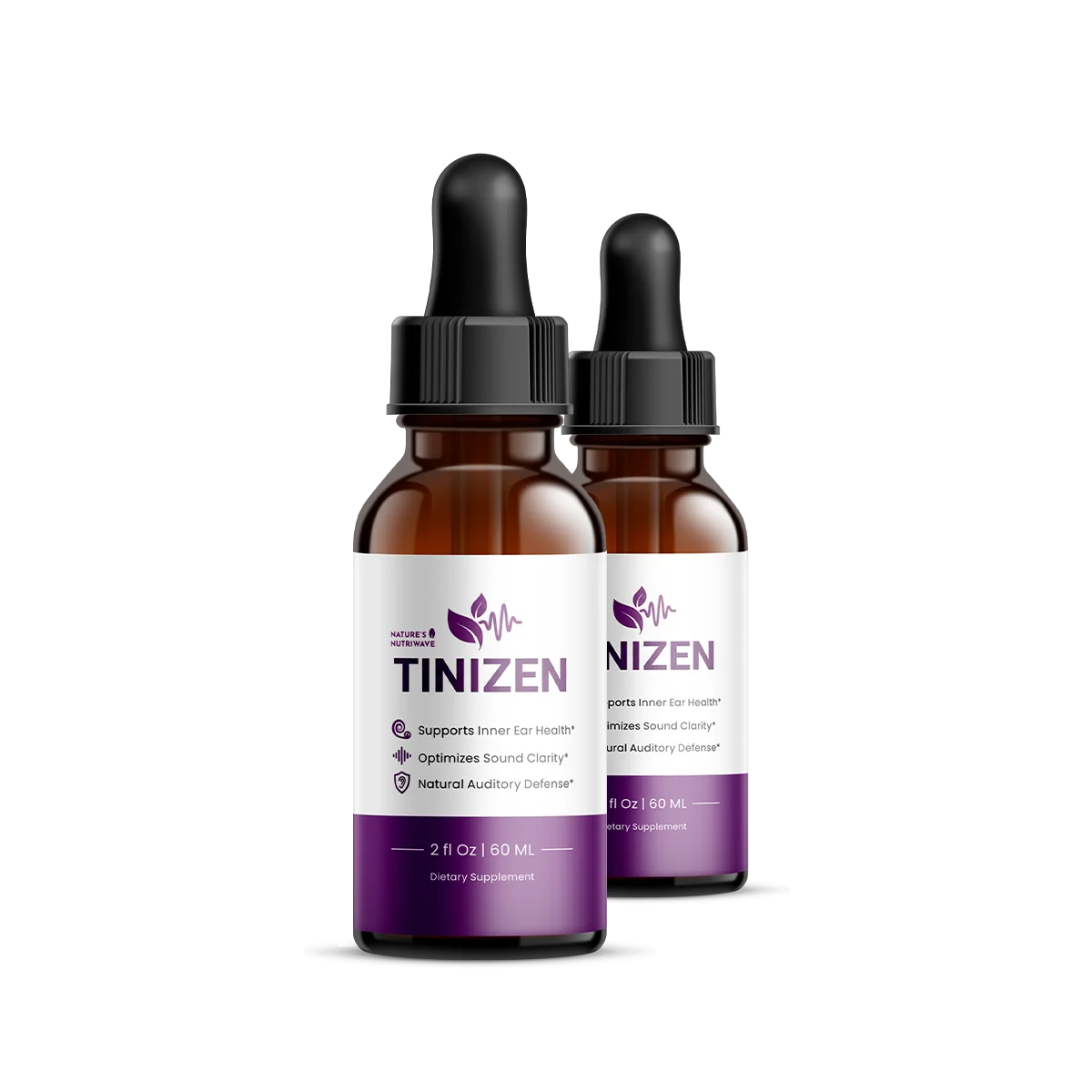
Tinizen brings these together: a 200 mg botanical-and-amino blend of grape seed, green tea, panax ginseng, GABA, L-glutamine and L-tryptophan, with a trace of chromium, delivered as fast liquid drops rather than a pill. For a closer look, read our guide to the best nutrients for ear and hearing health, or see the full ingredients section.

Make it a daily habit
Tinizen is a once-daily dropper pairing antioxidant botanicals with calming amino acids and a trace of chromium. The six-bottle bundle is the best value at $49 per bottle, with free U.S. shipping and a 60-day guarantee.
Order Tinizen — from $49/bottleHow do you build a simple daily routine?
The best routine is the one you will keep. Rather than overhauling everything at once, stack one small habit at a time until each feels automatic:
- Turn personal audio down to around 60 percent and take listening breaks.
- Keep ear protection handy for tools, mowing and live music.
- Build antioxidant-rich meals around vegetables, fish and colourful fruit.
- Walk most days to support the circulation your ears rely on.
- Protect a consistent bedtime so sleep does the quiet work.
- Take any supplement at the same time daily — for Tinizen, one or two droppers full, shaken and swallowed each morning.
Which habits work fastest? An at-a-glance table
A “fast” habit is one you feel within a listening session or a night’s sleep; a “slow” habit reshapes your baseline over weeks. Both matter. This table sorts the core habits by how quickly they tend to help and how much effort they ask.
| Habit | Typical time to notice | Everyday effort |
|---|---|---|
| Lower audio volume & take breaks | Same day | Low |
| Wear ear protection in noise | Same event | Low |
| Better sleep & stress routine | Days to weeks | Medium |
| Antioxidant-rich, whole-food meals | Weeks | Medium |
| Consistent activity & circulation | Weeks to months | Higher |
Consistency turns any of these into a steadier month. Botanicals build their support gradually, so most people choose a multi-month supply to avoid running out mid-routine — compare the packages and pricing on the homepage.
When should you talk to a doctor?
Natural habits support everyday hearing wellness; they are not a replacement for medical care. See a doctor or audiologist if you notice sudden hearing loss, hearing loss in one ear, ringing that starts abruptly, dizziness, ear pain or discharge, or if tinnitus disrupts your sleep or mood. These deserve a professional assessment. If you are pregnant or nursing, under 18, have blood pressure, diabetes or a circulatory condition, or take medication, talk to your doctor before adding any supplement.
Frequently asked questions
Can you really support hearing health naturally?
You can support it. Everyday habits — protecting your ears from loud noise, eating antioxidant-rich whole foods, staying active and sleeping well — help protect the inner ear and keep listening comfortable. They cannot reverse permanent damage, so see a professional for sudden or one-sided changes.
What foods are best for hearing and ear health?
Colourful vegetables, oily fish, berries, and polyphenol-rich foods like grapes and green tea are frequently discussed for antioxidant and circulatory support. A whole-food, lower-sugar pattern supports the blood flow the inner ear relies on.
Do supplements like Tinizen help hearing?
Tinizen supplies antioxidant botanicals such as grape seed and green tea, calming amino acids like GABA and L-tryptophan, and a trace of chromium. These support auditory wellness as part of a healthy lifestyle; they are not a treatment for tinnitus or hearing loss.
How long before I notice a difference?
Noise-protection habits help the same day, while diet, circulation and botanical support build gradually over several weeks to a few months. Botanicals in particular ask for consistency, and individual results vary.
Does loud music really damage hearing?
Yes. Sustained sound above about 85 decibels can tire and, over time, damage the hair cells of the inner ear. Keeping volume moderate and using ear protection around loud environments is the single most controllable habit for long-term hearing.
Is Tinizen safe to take daily?
Tinizen is made in an FDA-registered, GMP-compliant facility from non-GMO ingredients and is designed for daily use. It is not intended for children or those who are pregnant or nursing; if you have blood pressure, diabetes or a circulatory condition, or take medication, ask your doctor first.
Try Tinizen risk-free for 60 days →
Tinizen is a dietary supplement, not a treatment for any medical condition. These statements have not been evaluated by the Food and Drug Administration. This product is not intended to diagnose, treat, cure or prevent any disease. Always consult a qualified healthcare professional about your individual needs.
References & further reading
- National Institute on Deafness and Other Communication Disorders (NIDCD). Noise-Induced Hearing Loss. nidcd.nih.gov/health/noise-induced-hearing-loss
- Henderson D, Bielefeld EC, Harris KC, Hu BH. The role of oxidative stress in noise-induced hearing loss. Ear and Hearing, 2006.
- Spankovich C, Le Prell CG. The role of diet in vulnerability to noise-induced cochlear injury and hearing loss. Journal of the Acoustical Society of America, 2019.
- Kang JW, Choi HS, Kim K, Choi JY. Dietary vitamin intake correlates with hearing thresholds in the older population: the Korean National Health and Nutrition Examination Survey. American Journal of Clinical Nutrition, 2014.
- Hull RH, Kerschen SR. The influence of cardiovascular health on peripheral and central auditory function in adults: a research review. American Journal of Audiology, 2010.
- Curtis F, Laparidou D, Bridle C, et al. Effects of cognitive behavioural therapy on insomnia in adults with tinnitus: systematic review and meta-analysis of randomised controlled trials. Sleep Medicine Reviews, 2021.
- Hu H, Sasaki N, Ogasawara T, et al. Smoking, smoking cessation, and the risk of hearing loss: Japan Epidemiology Collaboration on Occupational Health Study. Nicotine & Tobacco Research, 2019.
- Bainbridge KE, Hoffman HJ, Cowie CC. Diabetes and hearing impairment in the United States: audiometric evidence from the National Health and Nutrition Examination Survey, 1999 to 2004. Annals of Internal Medicine, 2008.
- Le Prell CG. Prevention of noise-induced hearing loss using investigational medicines for the inner ear: previous trial outcomes should inform future trial design. Antioxidants & Redox Signaling, 2022.
- National Center for Complementary and Integrative Health (NCCIH). Green Tea. nccih.nih.gov/health/green-tea
Each source above is a single, identifiable work. They describe ingredients, mechanisms and habits in general terms and do not constitute evidence that any product treats, cures or prevents any condition.
Keep reading: what causes ringing in the ears · the best nutrients for ear health · back to the Tinizen blog · homepage.