The best nutrients and botanicals for ear and hearing health: a Tinizen guide

Updated September 2026 · reviewed by the Tinizen Research Team. We are an independent information resource, not a medical provider, and this article is educational rather than medical advice.
The best nutrients for ear and hearing health cluster around three themes: antioxidant polyphenols like grape seed and green tea, circulation-friendly adaptogens like panax ginseng, and calming amino acids like GABA and L-tryptophan, with a trace of chromium. None is a cure, but together they support everyday auditory wellness — and Tinizen brings them into one daily dropper.
The fastest route to the essentials, in one place.
- The big themes
- Ear nutrition centres on three ideas: antioxidant protection, healthy circulation, and a calm, well-regulated nervous system.
- Top antioxidants
- Polyphenols from grape seed and green tea are the classic antioxidant reference points for supporting the inner ear’s blood vessels.
- For circulation
- Adaptogens such as panax ginseng, eleuthero and maca are traditionally used to support healthy blood flow and vitality.
- For everyday calm
- Calming amino acids — GABA, L-tryptophan and L-glutamine — support the nervous-system signal from ear to brain.
- Where Tinizen fits
- Tinizen combines these actives plus a trace of chromium in one daily dropper, as a supplement to a healthy diet — not a cure.
When it comes to hearing, nutrition works quietly in the background — supporting the circulation, antioxidant defenses and nerve signalling that the inner ear depends on every day. No nutrient is a cure for hearing loss or tinnitus, but several have long been part of the ear-wellness conversation. This guide walks through the best-studied ones, what each is thought to do, and how they come together in a formula like Tinizen.

Why does nutrition matter for hearing?
The cochlea is one of the most metabolically active and blood-hungry structures in the body. Its hair cells are exposed to constant oxidative stress and cannot regenerate — the reviewed mechanism behind noise damage (Henderson et al., Ear and Hearing, 2006) — so two themes dominate ear nutrition: antioxidant protection and healthy circulation. A third theme — a calm, well-regulated nervous system — matters for how the brain interprets the auditory signal, which is why calming amino acids also appear in ear-focused formulas. The nutrients below map onto these three ideas.
The antioxidant polyphenols
Grape seed extract
Grape seed is one of the richest natural sources of proanthocyanidins, a family of polyphenol antioxidants. It is widely discussed for antioxidant defense and support of healthy blood vessels — directly relevant to the tiny vessels that feed the inner ear. The best human evidence is a randomised, double-blind, placebo-controlled trial in healthy volunteers, where grape seed extract modestly improved blood pressure and perceived stress (Schön et al., Nutrients, 2021). That is a cardiovascular result, not a hearing one, and it should be read that way.
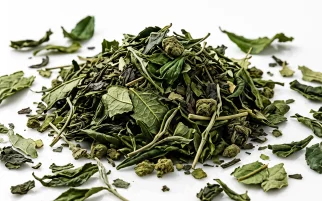
Green tea leaf
Green tea supplies catechins, another well-studied group of polyphenols. Beyond being one of the world’s most popular beverages, it is frequently referenced for general antioxidant and circulatory wellness. Green tea polyphenols have protected cochlear hair cells against ototoxic damage in laboratory models (Gu et al., Neurochemical Research, 2015) — a promising cell-level finding, and a long way short of a human hearing outcome.
The circulation-friendly adaptogens
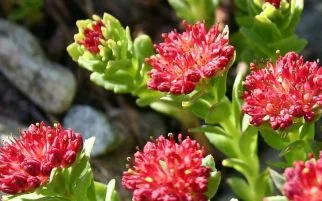
Panax ginseng
Asian ginseng is among the most storied adaptogens in traditional wellness, valued for supporting healthy circulation, resilience and everyday energy — all supportive of a well-supplied auditory system. It is also the only botanical here that has been trialled in people with chronic tinnitus, in a small open-label pilot with no blinded control group (Kim et al., Journal of Audiology & Otology, 2015), which makes it suggestive rather than settled.
Eleuthero and maca
Eleuthero (Siberian ginseng) and maca root round out the adaptogen side of the blend, each with long traditions of use for stamina and everyday vitality.
The calming amino acids
GABA
GABA is the body’s main calming neurotransmitter and a naturally occurring amino acid. It is discussed in the context of everyday relaxation and a settled nervous system — the same pathway that carries sound from ear to brain, and the reason stress can make ringing feel louder. A systematic review of oral GABA in humans found modest signals for stress and sleep, and its authors were explicit that the studies are few and small (Hepsomali et al., Frontiers in Neuroscience, 2020).
L-tryptophan and L-glutamine
L-tryptophan is an essential amino acid the body uses to make serotonin, traditionally linked to relaxation and restful sleep; a meta-analysis of supplementation trials found it can improve sleep quality, generally at gram-level doses far above anything a 200 mg blend could supply (Sutanto et al., Nutrition Reviews, 2022). L-glutamine is one of the most abundant amino acids in the body, used across everyday metabolism and normal nervous-system function.
See these nutrients together in Tinizen →
The essential trace mineral
Chromium
Chromium is an essential trace mineral that contributes to normal macronutrient metabolism. It is the single quantified nutrient on the Tinizen label, at 0.7 mcg per serving (2% of the Daily Value), delivered as well-absorbed chromium picolinate.
Nutrients for ear health at a glance
| Nutrient | Category | Traditional / general role |
|---|---|---|
| Grape seed extract | Polyphenol antioxidant | Antioxidant defense; support for healthy blood vessels |
| Green tea leaf | Polyphenol antioxidant | General antioxidant and circulatory wellness |
| Panax ginseng | Adaptogen | Healthy circulation, resilience and vitality |
| GABA | Calming amino acid | Everyday calm and a settled nervous system |
| L-tryptophan | Essential amino acid | Relaxation and restful sleep |
| Chromium | Trace mineral | Normal macronutrient metabolism |
Can you get these from food alone?
Many of these nutrients appear in an everyday diet, and food should always come first. Polyphenols are abundant in grapes, berries, green tea and colourful vegetables; tryptophan is found in poultry, eggs and dairy; and a varied whole-food pattern supplies trace minerals. Population data support taking the food side seriously: hearing thresholds in older adults tracked dietary vitamin intake in a Korean national survey (Kang et al., American Journal of Clinical Nutrition, 2014), a U.S. national sample found hearing loss less common at higher composite dietary antioxidant scores (Min et al., Biological Research for Nursing, 2025), and low flavonoid intake has been associated with bilateral hearing impairment in older U.S. adults (Bigman et al., British Journal of Nutrition, 2026). These are observational associations, not proof that a pill reproduces them. A supplement like Tinizen is not a replacement for that foundation — it is a convenient way to bring a focused set of these actives together in one daily dropper, alongside a balanced plate. Note the honest caveat: the 200 mg blend is proprietary, so the amount of any single ingredient is not disclosed.
| Nutrient | Everyday food sources |
|---|---|
| Polyphenols (grape seed, green tea) | Grapes, berries, green tea, dark chocolate, colourful vegetables |
| L-tryptophan | Poultry, eggs, dairy, seeds, soy |
| Adaptogens (ginseng, eleuthero) | Traditionally taken as teas, extracts or supplements |
| Chromium | Whole grains, broccoli, nuts, lean meats |
How Tinizen brings them together
Tinizen combines these nutrients in a single 200 mg proprietary blend plus chromium, delivered as fast-absorbing liquid drops rather than a pill. You get antioxidant polyphenols, circulation-friendly adaptogens and calming amino acids in one shake-and-swallow step, 60 servings per bottle. It is designed to support auditory wellness as part of a healthy lifestyle — not to diagnose, treat or cure any condition. To see how the pieces fit day to day, read how to support your hearing health naturally, and for the symptom side, what causes ringing in the ears.
Make it a daily habit
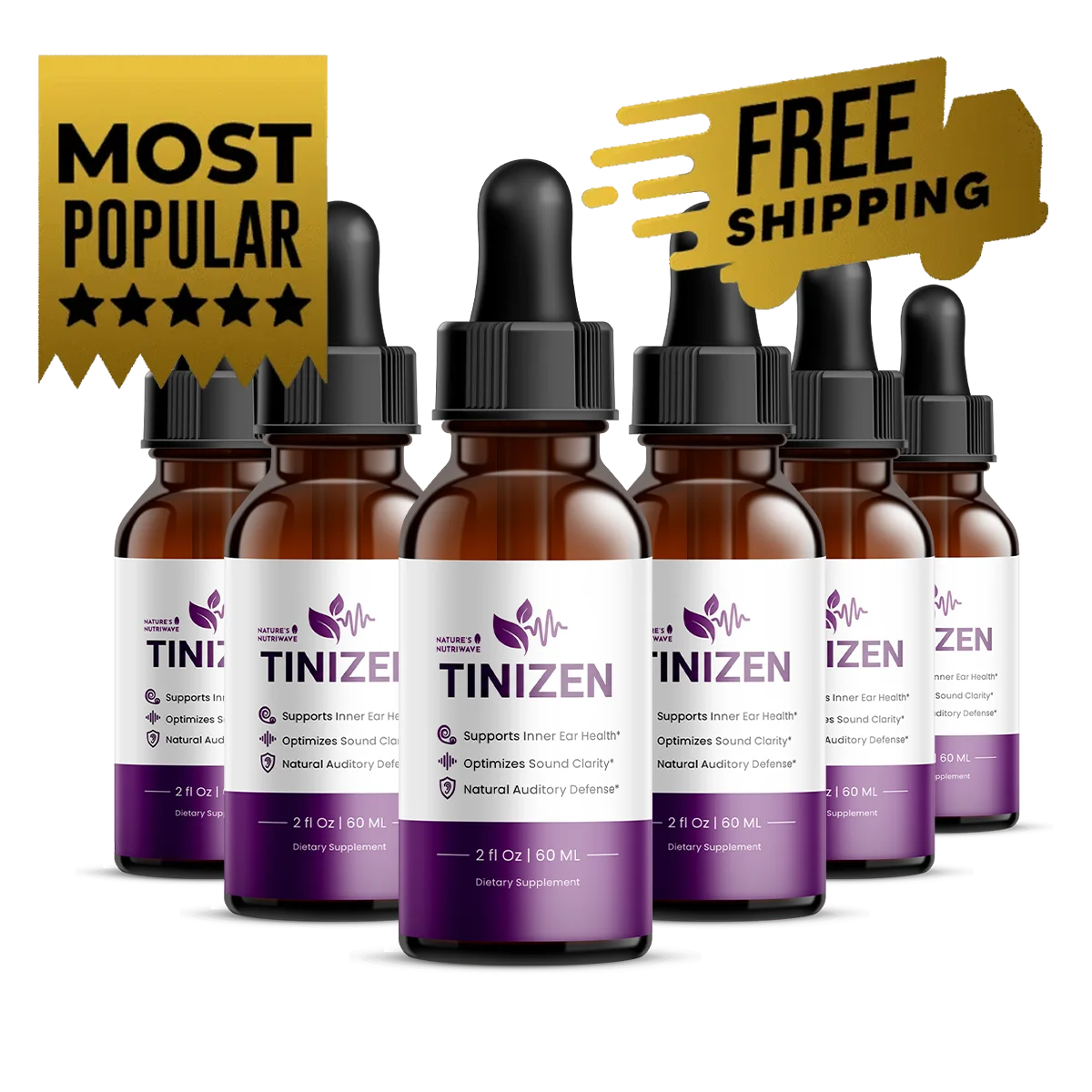
Tinizen is a once-daily dropper pairing antioxidant botanicals with calming amino acids and a trace of chromium. The six-bottle bundle is the best value at $49 per bottle, with free U.S. shipping and a 60-day guarantee.
Order Tinizen — from $49/bottleA note on safety and expectations
More is not better with supplements, and botanicals build their support gradually rather than overnight. Give any routine several weeks to a few months, and keep expectations realistic: these nutrients support everyday wellness, not a cure. Tinizen is not intended for children or those who are pregnant or nursing. If you have blood pressure, diabetes or a circulatory condition, or take medication — some adaptogens and amino acids can interact — check with your doctor before starting. When in doubt, bring the full ingredient list to your pharmacist or physician.
Frequently asked questions
What are the best nutrients for ear and hearing health?
The best-studied fall into three groups: antioxidant polyphenols such as grape seed and green tea, circulation-friendly adaptogens such as panax ginseng, and calming amino acids such as GABA and L-tryptophan. A trace mineral, chromium, rounds out formulas like Tinizen. None is a cure; they support everyday auditory wellness.
Do antioxidants really help hearing?
Antioxidant polyphenols are widely discussed because the inner ear faces constant oxidative stress and its hair cells cannot regenerate. Grape seed and green tea are classic references for antioxidant defense and healthy circulation, as part of a balanced diet rather than as a treatment.
Can I get these nutrients from food?
Many of them, yes — polyphenols from grapes, berries and green tea; tryptophan from poultry, eggs and dairy; chromium from whole grains, broccoli and nuts. Food comes first; a supplement like Tinizen simply brings a focused set of these actives together in known amounts.
What does Tinizen contain for ear wellness?
Tinizen delivers a 200 mg blend of grape seed, green tea, panax ginseng, GABA, L-glutamine, L-tryptophan, maca, African mango and more, plus 0.7 mcg of chromium, in 60 once-daily liquid servings per bottle.
How long do these nutrients take to work?
Botanicals build their support gradually, so most people give a routine several weeks to a few months. Consistency matters more than any single dose, and individual results vary. They support wellness rather than delivering an overnight change.
Are these nutrients safe to take together?
In a well-formulated blend at sensible amounts they are generally well tolerated, but some adaptogens and amino acids can interact with medications. If you are pregnant or nursing, have blood pressure, diabetes or a circulatory condition, or take medication, check with your doctor before starting.
Try Tinizen risk-free for 60 days →
Tinizen is a dietary supplement, not a treatment for any medical condition. These statements have not been evaluated by the Food and Drug Administration. This product is not intended to diagnose, treat, cure or prevent any disease. Always consult a qualified healthcare professional about your individual needs.
References & further reading
- National Center for Complementary and Integrative Health (NCCIH). Grape Seed Extract. nccih.nih.gov/health/grape-seed-extract
- National Center for Complementary and Integrative Health (NCCIH). Asian Ginseng. nccih.nih.gov/health/asian-ginseng
- National Institutes of Health, Office of Dietary Supplements. Chromium — Fact Sheet for Health Professionals. ods.od.nih.gov/factsheets/Chromium-HealthProfessional
- Henderson D, Bielefeld EC, Harris KC, Hu BH. The role of oxidative stress in noise-induced hearing loss. Ear and Hearing, 2006.
- Schön C, Allegrini P, Engelhart-Jentzsch K, Riva A, Petrangolini G. Grape seed extract positively modulates blood pressure and perceived stress: a randomized, double-blind, placebo-controlled study in healthy volunteers. Nutrients, 2021.
- Gu LT, Yang J, Su SZ, et al. Green tea polyphenols protect cochlear hair cells from ototoxicity by inhibiting Notch signalling. Neurochemical Research, 2015.
- Kim TS, Lee HS, Chung JW. The effect of Korean red ginseng on symptoms and quality of life in chronic tinnitus: a randomized, open-label pilot study. Journal of Audiology & Otology, 2015.
- Hepsomali P, Groeger JA, Nishihira J, Scholey A. Effects of oral gamma-aminobutyric acid (GABA) administration on stress and sleep in humans: a systematic review. Frontiers in Neuroscience, 2020.
- Sutanto CN, Loh WW, Kim JE. The impact of tryptophan supplementation on sleep quality: a systematic review, meta-analysis, and meta-regression. Nutrition Reviews, 2022.
- Kang JW, Choi HS, Kim K, Choi JY. Dietary vitamin intake correlates with hearing thresholds in the older population: the Korean National Health and Nutrition Examination Survey. American Journal of Clinical Nutrition, 2014.
- Min X, Kong X, Wang W. L-shaped associations between composite dietary antioxidant index and hearing loss: a cross-sectional study from the National Health and Nutrition Examination Survey. Biological Research for Nursing, 2025.
- Bigman G, Liu X, Bainbridge KE. Low flavonoid intake is associated with bilateral hearing impairment in US older adults. British Journal of Nutrition, 2026.
Each source above is a single, identifiable work. They describe ingredients, mechanisms and habits in general terms and do not constitute evidence that any product treats, cures or prevents any condition.
Keep reading: how to support your hearing health naturally · what causes ringing in the ears · back to the Tinizen blog · homepage.